Reverse Mergers and OTC Markets: Compliance After the Transaction
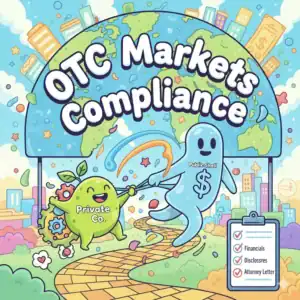
This article discusses reverse mergers and the crucial need for post-merger compliance to ensure trading eligibility on OTC Markets. A reverse merger,…
Read More
This article discusses reverse mergers and the crucial need for post-merger compliance to ensure trading eligibility on OTC Markets. A reverse merger,…
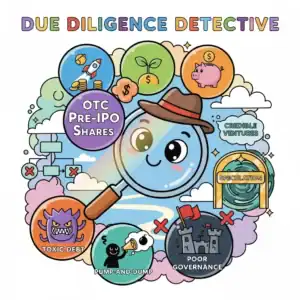
Read MoreThis article provides a comprehensive guide to due diligence for investors interested in OTC IPOs and Pre-IPO Shares, emphasizing the high-risk nature…
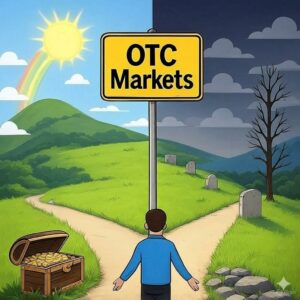
Read MoreThe OTC Markets can serve as either a launchpad to major exchanges or a dead end, depending on issuer transparency, governance, and…
Read MoreFINRA Rule 6490 has had an important impact on going public transactions specifically reverse mergers with public shell companies.
Read MoreTier 1 of Regulation A provides an exemption for securities offerings of up to $20 million in a 12-month period, while Tier…
Read MoreMany issuers seeking to raise capital often attempt to go public using a reverse merger with a Form 10 public shell company.…
Read MoreForm 10 shells are used as inventory for reverse merger transactions that take a company from private to public company status.
Read MoreA Form 10 registration status can cure public shell company status and has been used by many companies after reverse mergers. Rule…
Read MoreIssuers who offer and sell securities or file an S-1 Registration Statement for selling shareholders in connection with a going public transaction…
Read MoreRegulation A provides an exemption from registration that can be used in conjunction with a going public transaction. Regulation A has two…
Read MoreAll companies going public should consider Form S-1 registration statement filing requirements when contemplating their securities offering. Form S-1 provides flexibility.
Read MoreGoing public is frequently used as a stepping stone by companies seeking to raise capital.
Read MoreForm 8-A is a shortened type of securities registration statement under the Securities Exchange Act that registers a class of an issuer’s…
Read MoreForm 10 and 8-A can be used to register both debt and equity securities. Upon effectiveness, the issuer becomes subject to SEC…
Read MoreRegistration Statements on Form 10 ("Form 10") become effective automatically after 60 days. Form 10 registration covers a class of securities under…
Read MoreS-1 Filing Requirements, Filing Form S-1, S-1 Offering, S-1 Lawyers - The process of going public using Form S-1 must be structured…
Read More